IN STOCK NIGHT VISION - SHOP NOW

5 Key Features of the Steiner DBAL-D2 Every Night Vision User Should Understand

May 13, 2024
AdobeStock 169925950

TL;DR: The Steiner DBAL-D2 combines a Class 1 infrared aiming laser, 532nm green visible laser, and a 600mW LED illuminator in a single civilian-legal package. The LED illuminator is the standout feature, delivering superior flood coverage and eye safety compared to laser-based illumination systems.


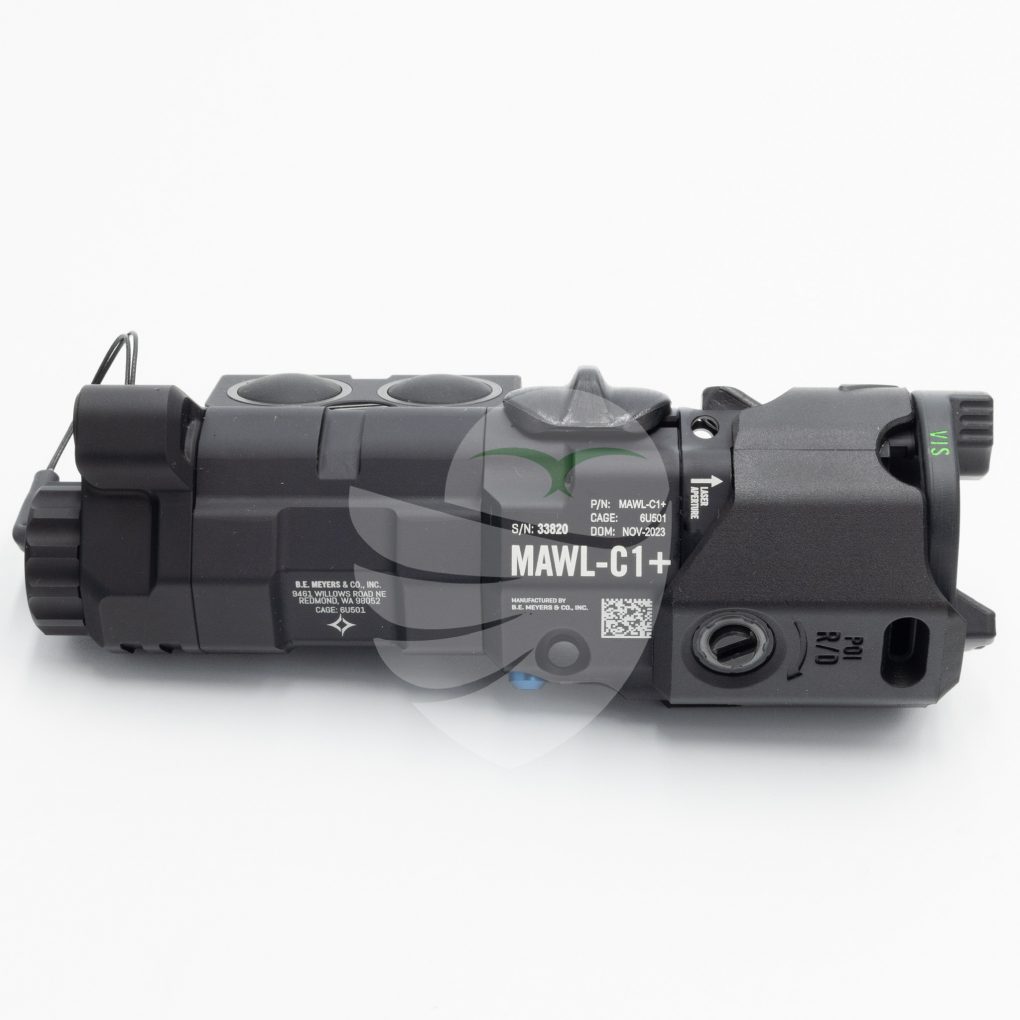
The DBAL-D2 occupies a specific niche in the tactical laser market. It pairs civilian-legal laser power with the most capable LED illuminator available in a dual-beam aiming device. Understanding what separates this unit from alternatives like the DBAL-A3 or MAWL-C1+ comes down to five core features.

This breakdown covers the actual specifications, explains why each feature matters for night vision device users, and addresses the most common questions I hear from buyers.

The 600mW LED Illuminator

The DBAL-D2’s primary differentiator is its illuminator. Where most dual-beam devices use laser-based illumination, the D2 employs a 600mW infrared LED.

This distinction matters for several reasons:

  • Flood pattern coverage: LED illumination produces a wider, more uniform light distribution than the tight beam of laser illuminators. For room clearing, vehicle searches, or navigating uneven terrain, this flood pattern reduces the need to constantly reposition your beam.

  • Eye safety profile: LED illumination carries lower risk of retinal damage than laser-based systems, particularly in training environments where flagging occurs.

  • Adjustable focus: The D2’s illuminator allows focus adjustment from flood to spot, giving users flexibility that fixed-beam laser illuminators cannot match.

The 600mW output places this illuminator well above the typical 150-300mW range found in competing civilian units. Under image intensifier tubes with lower gain or in near-total darkness, that additional power directly translates to usable image quality.

Class 1 Infrared Aiming Laser

The IR pointer operates at 850nm wavelength with a maximum output of 0.7mW. This keeps the unit within Class 1 classification, meaning it ships directly to civilian buyers without restricted sale requirements.

For context on what Class 1 means practically:

Classification

Power Output

Civilian Legal

Effective Range

Class 1

<1mW

Yes

50-150m

Class 3B (Full Power)

5-50mW

Mil/LE Only

300-600m+


The 850nm wavelength appears as a faint red glow when viewed through most night vision. Some users prefer 850nm for this reason since it provides visual confirmation the laser is active. Others prefer 940nm systems that remain invisible even under night vision. The D2 uses 850nm exclusively.

Effective range depends heavily on ambient conditions and the quality of your night vision devices. Under starlight with high-performance tubes, the Class 1 pointer remains visible and usable at 100+ meters. Under urban light pollution or with lower-spec tubes, practical range decreases.

532nm Green Visible Laser

The visible laser operates at 532nm in the green spectrum with output under 5mW (Class IIIa). The original version of this article incorrectly listed a red laser. The D2 has always shipped with green.

Green lasers offer tangible advantages over red:

  • Daylight visibility: The human eye perceives green light approximately four times more efficiently than red at equivalent power levels. A 5mW green laser remains visible in conditions where a 5mW red laser washes out completely.

  • Low-light target acquisition: For shooters transitioning between passive aiming and night vision, the green laser provides faster target acquisition during dusk, dawn, and artificial lighting conditions.

The visible laser shares the same zero adjustment controls as the IR laser, maintaining point-of-aim consistency when switching between modes.

Quick-Detach Mounting System

The D2 mounts to any MIL-STD-1913 Picatinny rail via an integrated quick-release system. The mount uses a throw lever for tool-free attachment and removal while maintaining return-to-zero capability.

Build quality specs that affect durability:

  • Housing material: 6061-T6 aluminum
  • Waterproof rating: IP67 (submersible to 1 meter for 30 minutes)
  • Operating temperature: -40°F to +140°F (-40°C to +60°C)
  • Weight: 8.2 oz (233g) with battery
  • Dimensions: 4.4″ × 2.9″ × 1.6″

The unit runs on a single CR123A battery. Runtime varies by mode. Using the illuminator continuously at full power draws significantly more current than pointer-only operation.

Remote Cable Port and Activation Options

The D2 includes a 2.5mm remote jack for pressure pad activation. This allows shooters to maintain firing grip while activating lasers or illumination.

Activation modes include:

  • Momentary: Press and hold for activation, release to deactivate
  • Constant-on: Single press activates until manually deactivated
  • Combined operation: IR laser, visible laser, and illuminator can operate independently or in combination

The top-mounted selector dial controls mode selection. Some users find the dial positioning less intuitive than the push-button interfaces on units like the MAWL series. Others prefer the positive click detents that prevent accidental mode changes.

DBAL-D2 vs. Competing Dual-Beam Systems

Understanding where the D2 fits requires comparison to alternatives:

Feature

DBAL-D2

DBAL-A3

MAWL-C1+

ATPIAL-C

IR Illuminator Type

LED

Laser

Laser

Laser

Illuminator Output

600mW

300mW

~120mW

250mW

Visible Laser

Green

Green/Red

Green

Red

IR Class

Class 1

Class 1

Class 1

Class 1

Weight

8.2 oz

8.5 oz

6.8 oz

7.5 oz

MSRP Range

$1,300-1,500

$1,400-1,600

$2,400+

$1,200-1,400


The D2 makes sense for users who prioritize illumination capability over weight savings or those who specifically want LED-based illumination for training safety. Users who need maximum throw distance from their infrared illuminator may prefer the tighter beam patterns of laser-based systems.

For more on dual beam configurations and how they integrate with your setup, the DBAL-A3 breakdown covers the broader category.

Key Takeaways

  • The 600mW LED illuminator is the D2’s defining feature, providing superior flood coverage for close-range operations and training environments
  • IR aiming laser operates at Class 1 (0.7mW, 850nm), legal for civilian purchase without restrictions
  • Visible laser is green (532nm), not red, offering approximately 4x better visibility than equivalent red lasers
  • IP67 waterproofing and -40°F to +140°F operating range support field deployment in extreme conditions
  • Weight of 8.2 oz with battery places it mid-range among comparable dual-beam units
  • Remote activation via 2.5mm jack enables pressure pad integration for tactical applications
  • LED illumination carries lower eye hazard classification than laser illuminators at equivalent effective output

Ready to Add the DBAL-D2 to Your Setup?

Steele Industries stocks the Steiner DBAL-D2 with full manufacturer warranty and direct support from our team. If you have questions about tube compatibility, mounting configurations, or how the D2 compares to other options for your specific use case, reach out before ordering. We’ll make sure you get the right unit for how you actually run your kit.

Frequently Asked Questions

What is the difference between the DBAL-D2 and DBAL-A3?

The primary difference is illuminator technology. The D2 uses a 600mW LED illuminator while the A3 uses a laser-based illuminator. LED provides wider flood patterns and improved eye safety. Laser provides tighter beam focus and longer throw distance.

Is the DBAL-D2 legal for civilians to own?

Yes. The D2’s IR laser operates at Class 1 power levels (under 1mW), making it legal for civilian purchase and ownership in the United States without special licensing or end-user certificates.

What color is the visible laser on the DBAL-D2?

The D2 features a 532nm green visible laser. Some older documentation or third-party descriptions incorrectly list red. All production DBAL-D2 units ship with green visible lasers.

How far can you see the IR laser on the DBAL-D2?

Practical range depends on ambient light conditions and night vision quality. Under favorable conditions with quality tubes, the Class 1 pointer remains usable at 100-150 meters. High-power military units reach 300+ meters but require restricted sale authorization.

What battery does the DBAL-D2 use?

The D2 runs on a single CR123A lithium battery. Runtime varies by usage mode, with illuminator-heavy use drawing more power than pointer-only operation.

Can you zero the IR and visible lasers independently?

Yes. The D2 provides separate windage and elevation adjustments for each laser, allowing independent zeroing. Most users zero the IR laser to their primary optic and use the visible laser as a secondary reference.

Does the DBAL-D2 work with all night vision devices?

The D2 is compatible with all Gen 2+ and Gen 3 image intensifiers. The 850nm IR wavelength and illuminator output work with both green and white phosphor tubes from manufacturers including Elbit Systems America and L3Harris.

Is the DBAL-D2 waterproof?

The D2 carries an IP67 rating, meaning it withstands submersion to 1 meter depth for 30 minutes. This covers rain, shallow water crossings, and accidental drops into water but does not support diving operations.

What mounting options exist for the DBAL-D2?

The integrated mount attaches directly to any MIL-STD-1913 Picatinny rail. Third-party adapters exist for M-LOK and KeyMod attachment, though most users mount directly to upper receiver rail space.

How does the LED illuminator compare to laser illuminators?

LED illumination provides wider flood patterns with more uniform light distribution. Laser illuminators produce tighter, more focused beams with longer throw distance. LED is generally preferred for CQB and training. Laser illumination suits longer-range observation and target identification.


Steele Industries Inc
Privacy Overview

This website uses cookies so that we can provide you with the best user experience possible. Cookie information is stored in your browser and performs functions such as recognising you when you return to our website and helping our team to understand which sections of the website you find most interesting and useful.